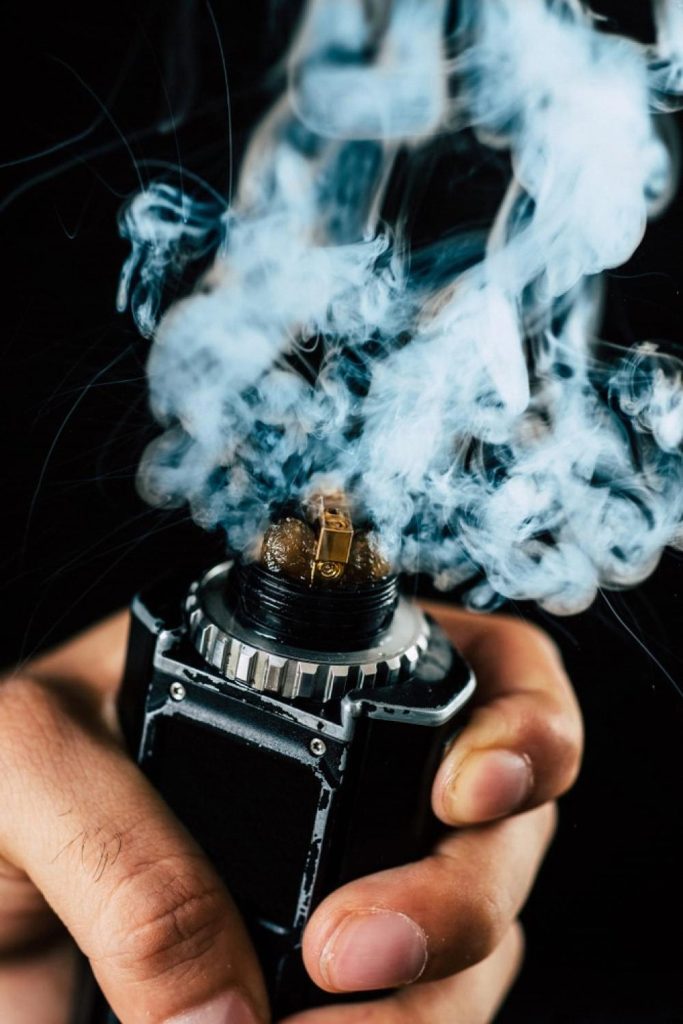
“A vape is just a fancier cigarette with a battery glued on.”
Vaping in the UAE went from a legal grey area to a regulated product category sold openly through licensed retailers and every serious vape store online. In that same window, the hardware itself changed almost beyond recognition. What started as a battery pretending to be a Marlboro is now a temperature-controlled, app-connected pod device with leak-proof seals and mesh coils.
The problem is that public understanding has not kept up. Most of what people repeat about vapes at Ramadan gatherings or in office smoking areas is based on 2012 hardware. Let us walk through the five myths that refuse to die, and what the actual engineering timeline looks like.
Myth 1: A vape is basically the same device it was ten years ago
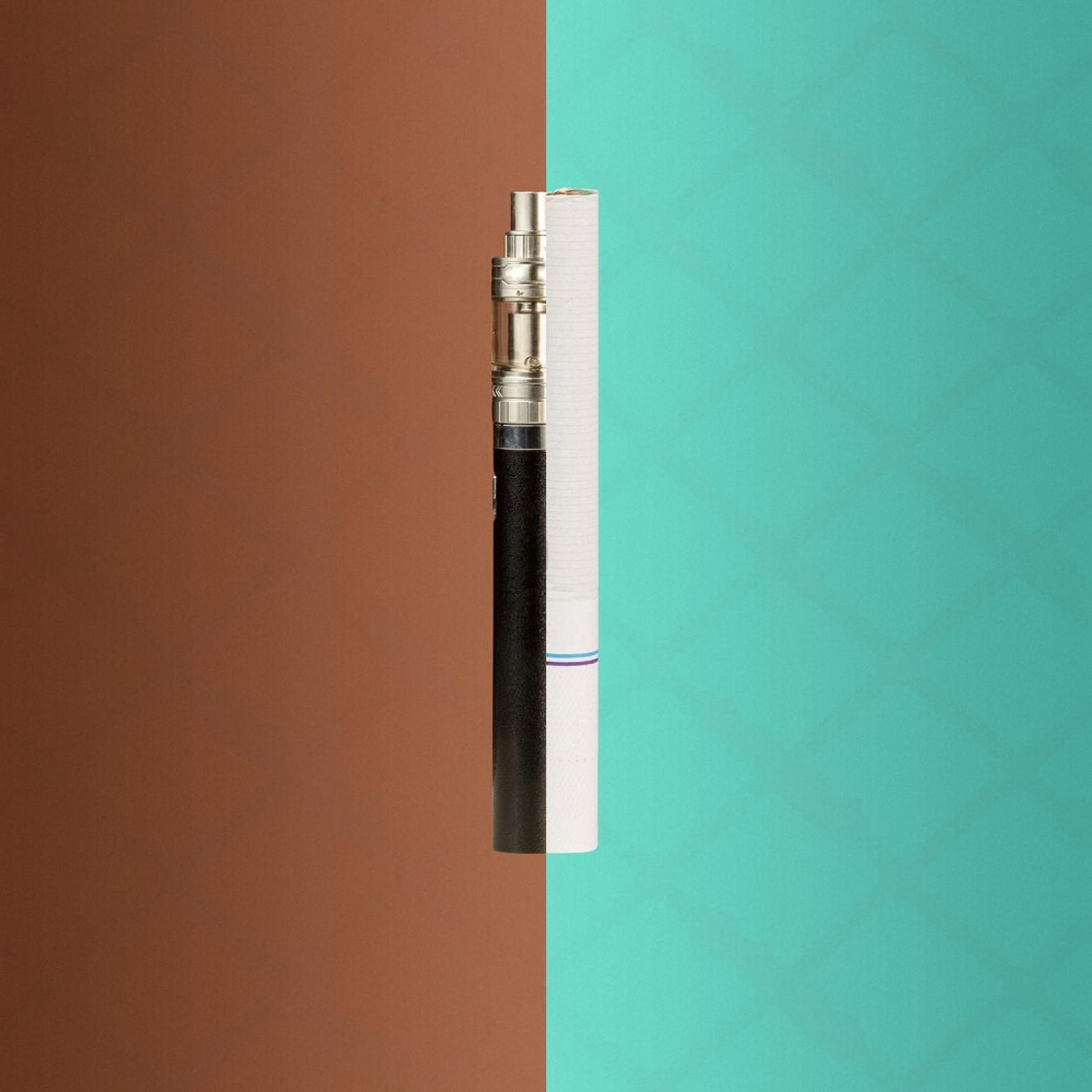
The first commercial e-cigarettes, patented by Hon Lik around 2003 and popularised globally by 2007, were called cigalikes. They looked like cigarettes on purpose, used a 3.7-volt lithium cell the size of a AAA battery, and lasted about 150 puffs before the whole thing went in the bin.
Second generation vape pens added refillable tanks and replaceable coils. Third generation box mods, which arrived around 2014, introduced variable wattage, sub-ohm coils and 18650 cells that could run all day. Then came pod systems around 2017, then disposables, then smart pods with Bluetooth. The device in your pocket today shares almost nothing with a 2013 cigalike except the general idea.
Reality: The category split into three distinct hardware families
Pod systems
Small, low-wattage, nicotine-salt friendly. Refillable or closed pod. This is what most casual UAE users carry.
Advanced mods
Higher wattage, rebuildable atomizers, temperature control. Popular with hobbyists who care about cloud density and flavour tuning.
Disposables
Sealed, pre-filled, no charging in early versions. Modern ones are rechargeable with 600 to 15,000 puff capacities.
Treating these three as one product is the root of most confusion. A 12W refillable pod behaves nothing like an 80W sub-ohm mod, and neither behaves like a sealed disposable. If you are shopping for the best disposable vapes in Dubai, you are looking at a completely different engineering trade-off than someone buying a rebuildable dripper.
Myth 2: Modern vapes leak just as much as the old ones
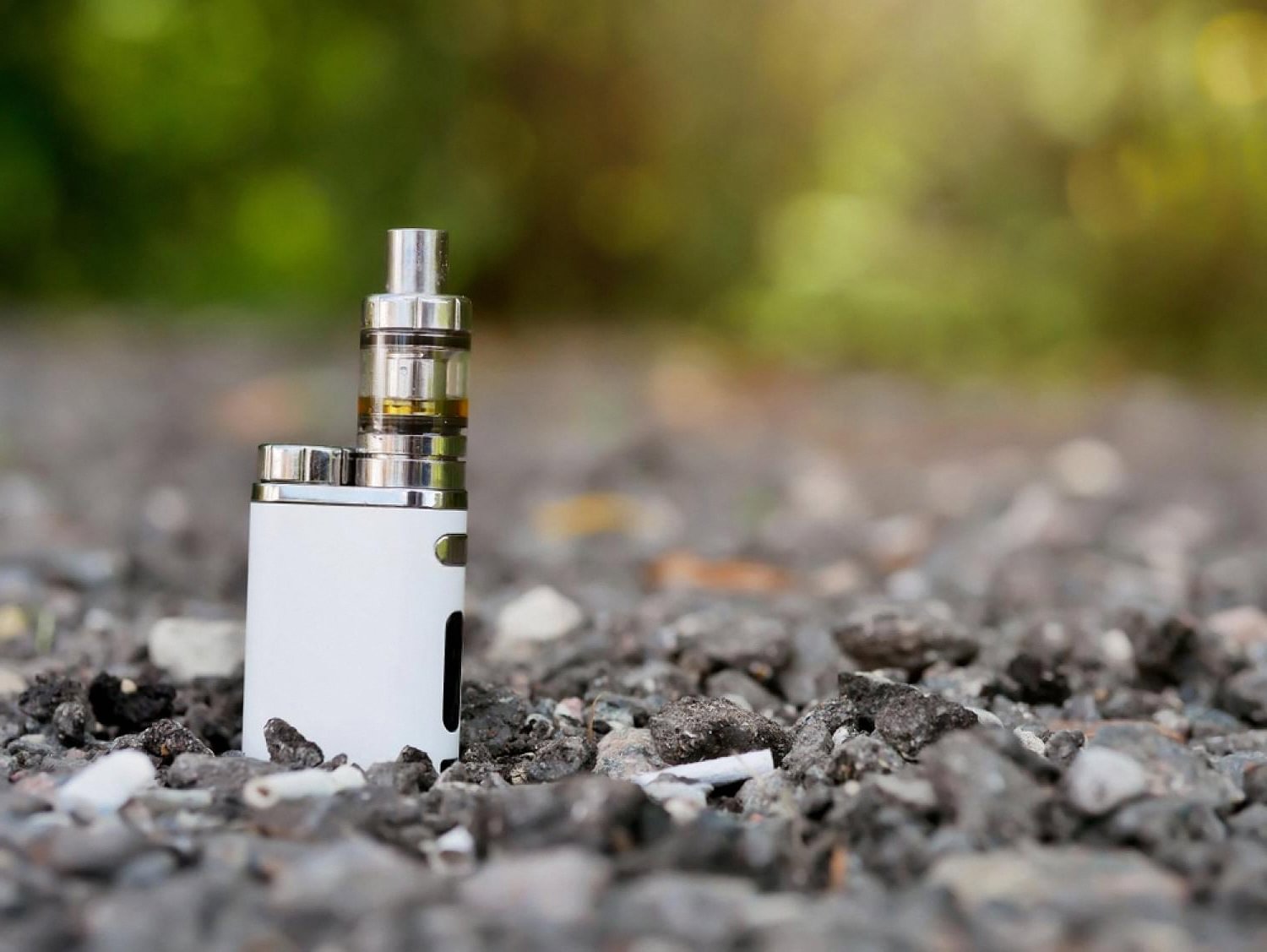
Anyone who used a bottom-coil clearomizer in 2014 remembers the pocket-staining ritual: unscrew, wipe, curse, repeat. Early wick designs used silica and cotton stuffed into channels that flooded easily whenever the tank tilted or the pressure changed on a flight.
Since around 2018, the industry moved to top-fill tanks with silicone gaskets, plug-style pod seals, and pressure-equalising airflow paths. Mesh coils replaced twisted wire, spreading heat evenly across a wider wick surface so juice vaporises before it can pool. In a well-designed 2024 pod, condensate collection channels catch any excess before it reaches your mouth.
Reality: Coil and battery engineering did most of the heavy lifting
Two innovations quietly transformed daily user experience more than any headline feature.
- Mesh coils. A thin sheet of perforated metal instead of a coiled wire. Larger surface area, lower hotspot temperatures, longer coil life. According to public technical summaries of e-cigarette hardwaremesh became the dominant coil format in mainstream pods by 2020.
- Better lithium cells and protection circuits. Modern devices ship with USB-C fast charging, pass-through use, and multi-stage battery protection against over-discharge, short circuit, and thermal runaway. The 2014 fear of a vape exploding in someone’s pocket came from unregulated mechanical mods stacked with unprotected cells. Regulated devices in a licensed UAE shop today are a different animal.
- Smarter airflow. Adjustable rings, mouth-to-lung versus direct-lung modes, and honeycomb intake patterns give users the draw they actually want without guessing.
Myth 3: Smart features are just marketing gimmicks
The idea of a Bluetooth-connected vape sounds absurd until you use one. Then you realise why the feature stuck.
Users who want to cut down finally have a number to work with. Apps track puffs per day, nicotine consumption, and coil age. Some devices lock themselves after a set daily limit. Others display battery cycles and coil resistance drift so you know exactly when to replace parts instead of guessing by taste.
Child-lock modes, PIN entry, and geofencing are less exciting on paper but genuinely useful in a family household. None of this existed on a cigalike. All of it exists on mid-range devices sold in the UAE today.
Myth 4: Disposables are a step backwards for the industry
This one has a kernel of truth wrapped in a misunderstanding. Environmentally, single-use lithium devices are a real problem, and regulators from the UK to the GCC are pushing back. But the internal hardware of a modern disposable is not primitive. It is compact, integrated, and often more consistent puff-to-puff than a mid-range refillable pod from five years ago.
Today’s rechargeable disposables carry mesh coils, adjustable airflow dials, LED juice-level indicators, and USB-C ports. The engineering effort that went into shrinking a 600-puff device into something the size of a thick marker pen is genuinely impressive. The category is not going backwards, it is just optimising for a different user: someone who wants zero setup and predictable flavour for two to three weeks.
Myth 5: There is nothing left to innovate
Every couple of years someone declares the vape industry mature and predicts stagnation. Every couple of years they are wrong. Current research and product pipelines are pointing at several concrete directions.
- Ceramic coils for cleaner flavour and longer life
- Nicotine-salt formulations tuned for slower absorption
- Biodegradable pod casings to address disposable waste
- AI-driven puff profiles that adjust wattage automatically per inhale
- Health-tracking sensors that estimate nicotine intake in real time
Regional context
The UAE regulated vaping in 2019 under ESMA standards, requiring nicotine caps, labelling, and licensed retail. This pushed the local market toward higher-quality hardware faster than in unregulated regions, because grey-market cigalikes could no longer compete on shelf.
The most expensive myth
Believing that cheap unbranded devices sold outside licensed channels are “the same thing.” They are not. Counterfeit cells, missing protection circuits, and unverified e-liquid ingredients are where the real safety incidents happen. Buying from a licensed UAE retailer is not brand snobbery, it is how you avoid a battery incident or an unregulated nicotine dose. The extra ten dirhams is the cheapest insurance in the category.
Where the technology is actually heading
Roll forward five years. The device you buy will almost certainly have a colour screen, USB-C, adjustable airflow, a mesh or ceramic coil, and some form of usage tracking. It will weigh less than a set of car keys and last two days on a charge. It will refuse to fire if it detects a short, an overheated coil, or an empty tank.
That is not science fiction. That is 2025, already on shelves in Dubai and Abu Dhabi. The gap between what the hardware can do and what casual users think it does is the real story of the last decade, and the myths above are what happens when public perception lags a fast-moving product category by about eight years.
Frequently asked questions
What was the first commercial vape and when did it appear?
The first commercially successful electronic cigarette was patented by Chinese pharmacist Hon Lik in 2003 and hit international markets around 2006 to 2007. These early cigalikes were shaped like real cigarettes, used a small 3.7-volt battery, and were designed as a nicotine-delivery alternative for smokers.
What is the difference between a pod system and a mod?
A pod system is small, low-wattage, and uses a snap-in cartridge holding both the coil and the e-liquid. It is designed for convenience and works well with nicotine-salt e-liquids.
A mod is a larger, more powerful device with a separate tank and replaceable coils, adjustable wattage, and often a screen with detailed settings. Mods produce bigger clouds and give more control, but they are heavier and have a learning curve.
Why do modern vapes leak less than old ones?
Modern vapes use top-fill tanks, silicone gaskets, pressure-equalising airflow paths, and mesh coils that vaporise e-liquid more evenly. Pod devices add plug-style seals and internal condensate channels that catch excess liquid before it reaches the mouthpiece. The combined result is significantly less leaking than the bottom-coil clearomizers common a decade ago.
Are smart vapes with apps actually useful?
For many users, yes. App connectivity enables puff counting, daily nicotine tracking, coil life monitoring, child-lock PINs, and firmware updates. People trying to reduce consumption find puff-count data genuinely helpful, and coil resistance readouts remove the guesswork about when to replace parts.
Is vaping regulated in the UAE?
Yes. Vaping products were legalised for licensed sale in the UAE in April 2019 under standards issued by ESMA (now the Ministry of Industry and Advanced Technology). Products must meet nicotine concentration caps, labelling rules, and safety standards, and they can only be sold through approved retailers.
What is a mesh coil and why does it matter?
A mesh coil is a thin perforated sheet of metal used instead of a traditional coiled wire. Its larger surface area heats the wick more evenly, which means better flavour, less risk of dry hits, longer coil lifespan, and lower power needed for the same vapour output. Mesh became the dominant coil format across pods and tanks by around 2020.
Are disposable vapes worse quality than refillable ones?
Not necessarily in performance. Modern disposables often use the same mesh coils, adjustable airflow, and USB-C recharging found in mid-range refillable pods. The trade-off is environmental: single-use lithium hardware creates more waste than a refillable device, which is why regulators worldwide are starting to push back on the format.
What vape innovations are coming next?
Expect wider adoption of ceramic coils for cleaner flavour, biodegradable pod casings to address disposable waste, AI-adjusted puff profiles that tune wattage per inhale, and integrated sensors that estimate nicotine intake in real time. Regulatory pressure will also push manufacturers toward recyclable designs and standardised charging.

Biker, vegan, ukulelist, Vignelli fan and fullstack designer. Producing at the crossroads of aesthetics and programing to give life to your brand. I prefer clear logic to decoration. Tropical swift lover. I want to show people that IQOS is a revolution in the world of smoking.